BC Game Crash: Rules, Strategies, and Features
- Set a stake cap for the day before you start.
- Use auto-cashout only if you can trust your timing habits.
- Record outcomes in a simple note app after each session.
- Stop when you hit a loss limit, not when you feel “due.”
BC Game crash is a fast, rule-based game where a multiplier grows until it “crashes,” and your win depends on when you cash out. If you want consistent decision-making, you need a clear plan for stakes, timing, and risk limits before you place your first bet. For many players, the real learning curve is managing emotions when the graph looks unstoppable.
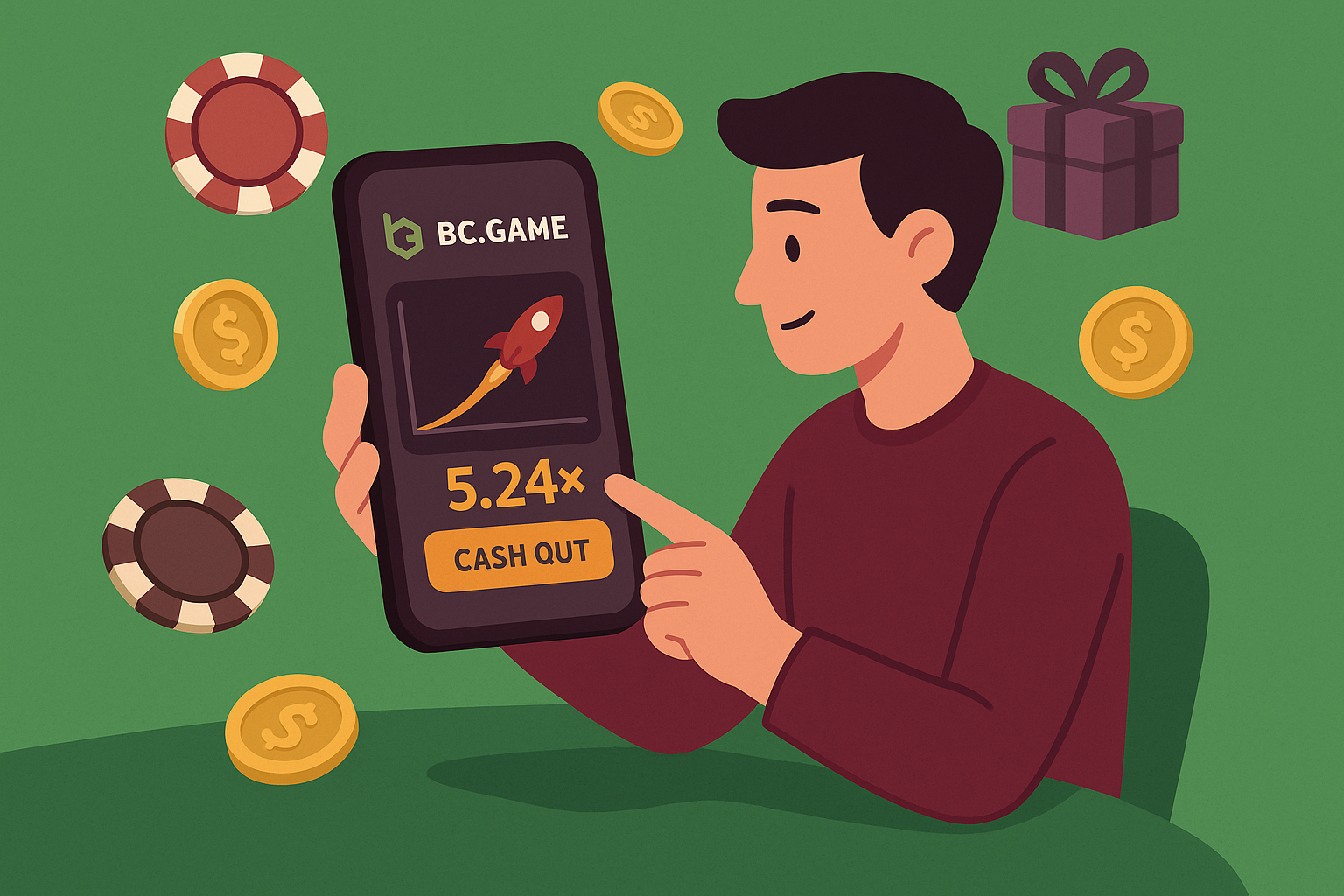
To avoid guessing, I usually start by reading the current session rules and confirming the payout logic for crash outcomes. If you’re troubleshooting or comparing behavior, you’ll likely find references tied to bc game crash and the way players describe streaks. That said, don’t treat community stories as proof; treat them as hints for what to watch in your own sessions.
How the Crash Round Works
A crash round typically starts from a low multiplier and increases in real time, updating every fraction of a second. The game ends when the system triggers the crash point, and any bet not cashed out before that moment is lost. Cashing out early locks in your multiplier, which is then applied to your stake. As a rule, you’re not “predicting” the crash so much as choosing your exit price under uncertainty.
Core rules you should follow
In practice, the rules are simple, but the details matter for execution. First, choose your stake amount, then select a cashout moment by using the cashout button or setting an auto-cashout timer if the platform offers it. Second, understand that cashout is the only way to secure a result; waiting too long can turn a near-win into a total loss. Third, keep an eye on minimum and maximum bet limits, because they can change by region and account status.
Here are the most useful checks I do before every session: confirm current table limits, verify whether auto-cashout is enabled, and watch for any temporary maintenance banners. It’s also wise to track your last few outcomes so you can spot when your own behavior is drifting, not when the game “changes.” Notably, many beginners lose money by chasing late cashouts after a bad run.
What the multiplier actually means
The multiplier is a numeric representation of how your stake will be paid if you cash out. For example, if you bet $10 and cash out at 2.00x, you receive $20 total (or $10 profit, depending on how the platform displays figures). If the crash happens at 1.50x and you didn’t cash out, your $10 stake is gone. To be fair, the display can look smoother than it feels, so I recommend watching both the graph and the cashout confirmation.
Consider three quick scenarios. Scenario one: you cash out at 1.20x after entering early, and you collect a small profit with low variance. Scenario two: you wait for 3.00x, and you’ll either get a meaningful payout or lose your stake if the crash arrives first. Scenario three: you go for 10.00x after several quick rounds, and you may get lucky once, but the overall risk profile becomes heavy fast. Those outcomes are why most solid strategies start with modest targets.
Strategies That Work in Real Sessions
There’s no magic formula for crash games, but there are repeatable habits that improve decision quality. I’ve seen the best results come from players who treat crash like a schedule: fixed stakes, predefined cashout levels, and a clear stop rule. If you’re tempted to “fix” a losing streak by doubling, you’re already moving away from strategy. Also, if you’re using a browser or mobile device, make sure the page stays responsive so your cashout action isn’t delayed.
Pick a cashout ladder, then stick to it
A cashout ladder is a sequence of exit multipliers you choose ahead of time, often based on your bankroll tolerance. For instance, you might start with 1.30x for the first few bets, then move to 1.60x, and only occasionally attempt 2.00x. Many players like small wins because they keep the session alive, but the ladder must still respect your loss limit. The trick is to define “occasionally” with numbers, not vibes.
If you want a practical template, try this: choose 20–40 rounds as a session window, and allocate stakes so you can survive several losses in a row. For example, if your target is $1 per round and you can tolerate a $25 drawdown, you should plan to stop before you exceed that. When you adjust, adjust slowly; sudden changes after one or two outcomes are usually where people get burned. And yes, you can still reference https://bcgame-crypto-ru.com/en/crash/ when you’re comparing how players describe crash timing, but you should base your ladder on your own results.
Manage stakes like a budget, not a gamble
Stake management is where most “strategies” either become real or collapse. Some players use a flat stake, such as $0.50 to $2.00 per round, because it’s easier to maintain discipline. Others use a mild progression—say, increasing stake by 10–20% after a win—so the session stays balanced. However, if you jump too aggressively, a short run of unfavorable crashes can wipe out your bankroll in minutes.
Here are three concrete ways to manage stake risk. First, use flat staking for the first 30 rounds while you learn your comfort with variance. Second, set a hard daily limit like 5%–10% of your bankroll, then stop even if you “almost” recovered. Third, if you use progression, cap it at a maximum stake—like never exceeding $5 per bet—so one bad stretch can’t become catastrophic. Notably, the best time to tighten rules is right after a win, when confidence tends to rise.
Timing and execution details
Timing isn’t about predicting the crash; it’s about avoiding input mistakes. If you’re manually cashing out, practice with a few tiny bets so the button pressure and confirmation feel automatic. If the game offers auto-cashout, test it once on a low stake round and confirm that the multiplier target triggers correctly. On slower connections, delays can matter, so keep the app stable and avoid background switching during active rounds.
For a real-world example, imagine you’re aiming for 1.80x manually. If you wait for the graph to “look right,” you’ll often cash out late because the last seconds feel urgent. Instead, decide your target before the round begins, then execute consistently. If you’re experimenting with higher targets, like 3.50x, reduce stake size first so a missed cashout doesn’t derail the entire session.
Features, Payout Behavior, and What to Watch
Beyond the basic mechanic, the experience is shaped by interface features and how outcomes are presented. Some players focus on the history panel, but I treat it as context, not instruction. The most important thing is your understanding of how cashout confirmations work and how the platform reports wins, losses, and cumulative balance. When players complain about “weird crashes,” it’s often a misunderstanding of cashout timing rather than anything supernatural.
Session history and volatility signals
Most crash interfaces provide a recent history list with multipliers, and some show a chart of the last outcomes. Use this to calibrate your expectations about volatility, not to forecast the next round. For example, if you notice many outcomes clustered around 1.10x–1.50x recently, it can still be followed by a sudden run of higher multipliers. However, you can use history to check your own behavior, like whether you’re consistently cashing out at the ladder you planned.
In the middle of your learning, it helps to compare your results with how players discuss bcgame-crypto-ru.com/en/crash/ and the typical emotional traps. Still, be careful: community threads often mix legitimate observations with exaggerations. Your best signal is your own log: average cashout target, number of missed cashouts, and how often you hit your stop rules. If your missed-cashout rate rises, you don’t need a new strategy—you need calmer execution.
Common mistakes to avoid
There are a few mistakes that show up again and again, and they’re usually avoidable. One is “revenge cashout,” where you re-enter immediately after a loss and abandon your target. Another is chasing because you think a high multiplier is “next,” which turns a plan into a reaction. A third mistake is ignoring limits, like increasing stake after you’re already near your bankroll cap.
Try two quick scenario checks. If you lost three consecutive bets at 1.50x targets, you should still follow your ladder plan rather than jumping to 2.50x. If you win twice quickly, you shouldn’t automatically raise stake; instead, verify that your cashouts were actually on time. These habits keep you from blending short-term luck with long-term thinking. And yes, it’s okay to pause for a minute; resetting your focus is quick and often saves more money than any “fix.”
Account and platform considerations
Crash games are usually tied to a specific account, balance, and sometimes regional availability. Before you start, confirm your funding method and minimum withdrawal rules so you understand what “winning” really means for you. Also check whether any promotions affect wagering requirements, because that can change how you should plan your session size. If you’re using a mobile browser, ensure you have stable connectivity and that notifications aren’t interrupting your active round.
When you’re exploring the broader ecosystem, you’ll see references to BC Game in guides and community discussions. Treat those references as a starting point for interface details, not as a guarantee of outcomes. Ultimately, your edge comes from consistent process: predefined cashout targets, capped stakes, and a stop rule you can follow even when the screen tempts you to react. Once you run a few sessions with that discipline, the game stops feeling like a mystery and starts feeling like a decision routine.